What happened
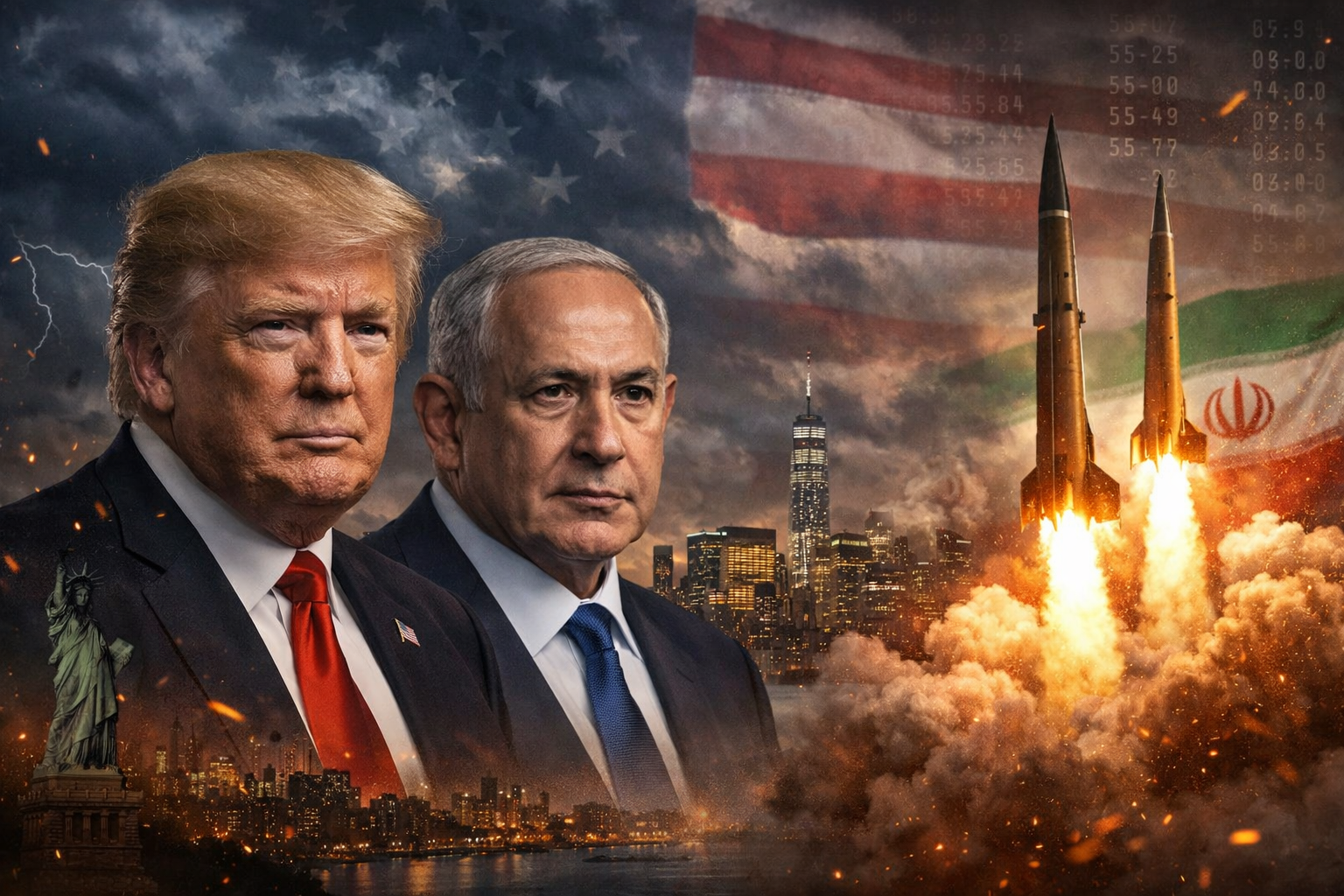
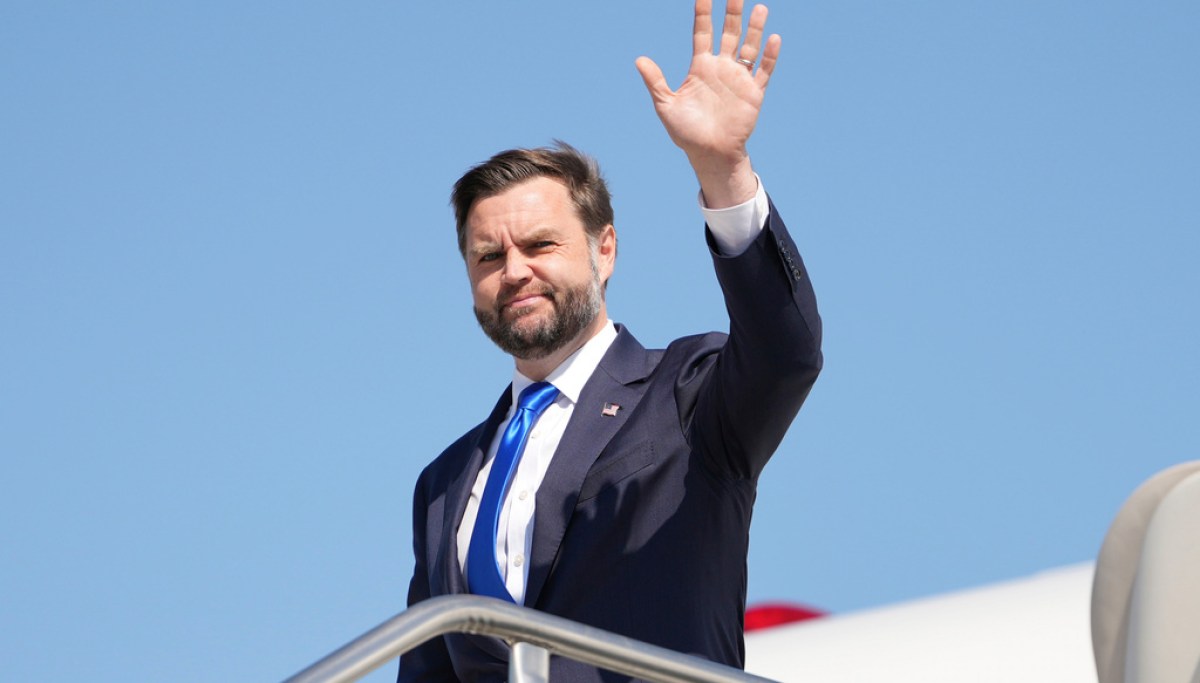
Vice President JD Vance's foreign policy approach has sparked debate on the American Right, with critics accusing him of being too willing to negotiate with Iran and too distant from Israel. However, Vance's approach is centered around the principle of sovereignty, where American power serves American interests, and Washington retains the freedom to decide its own interests.
Vance's position on Iran is neither pacifist nor sympathetic to Tehran, but rather supports American strength while resisting another open-ended Middle Eastern war and backing negotiations. He believes that military power is a means of achieving political objectives, not an objective in itself, and that diplomacy from a position of strength can turn military leverage into political results.
Vance has also addressed the question of what happens when American and Israeli priorities diverge, stating that American and Israeli interests can be aligned or misaligned. He believes that supporting Israel does not require treating every Israeli security priority as an American one, and that Washington has a different responsibility to determine whether escalation strengthens the United States or draws it deeper into another costly regional conflict.
Vance's approach has been criticized by some, but it is seen as a coherent strategic vision that balances ally support with U.S. national sovereignty. His economic nationalism and foreign policy restraint converge, with a focus on reindustrialization, secure energy, resilient supply chains, technological capacity, and military strength as elements of national power.