A crucial Saudi oil pipeline has suffered significant damage in a strike, which could reduce oil supplies by up to 3.6 million barrels per day. The pipeline, known as the East-West Pipeline, is a key export route for Saudi Arabia's crude oil via the Red Sea.
What happened
A satellite image has revealed major damage to the pipeline, particularly at a pumping station. The damage is believed to have been caused by a strike last week, and experts estimate that it could take more than a month to repair. The Saudi government has accused Iranian-backed militias in Iraq of carrying out the attack.
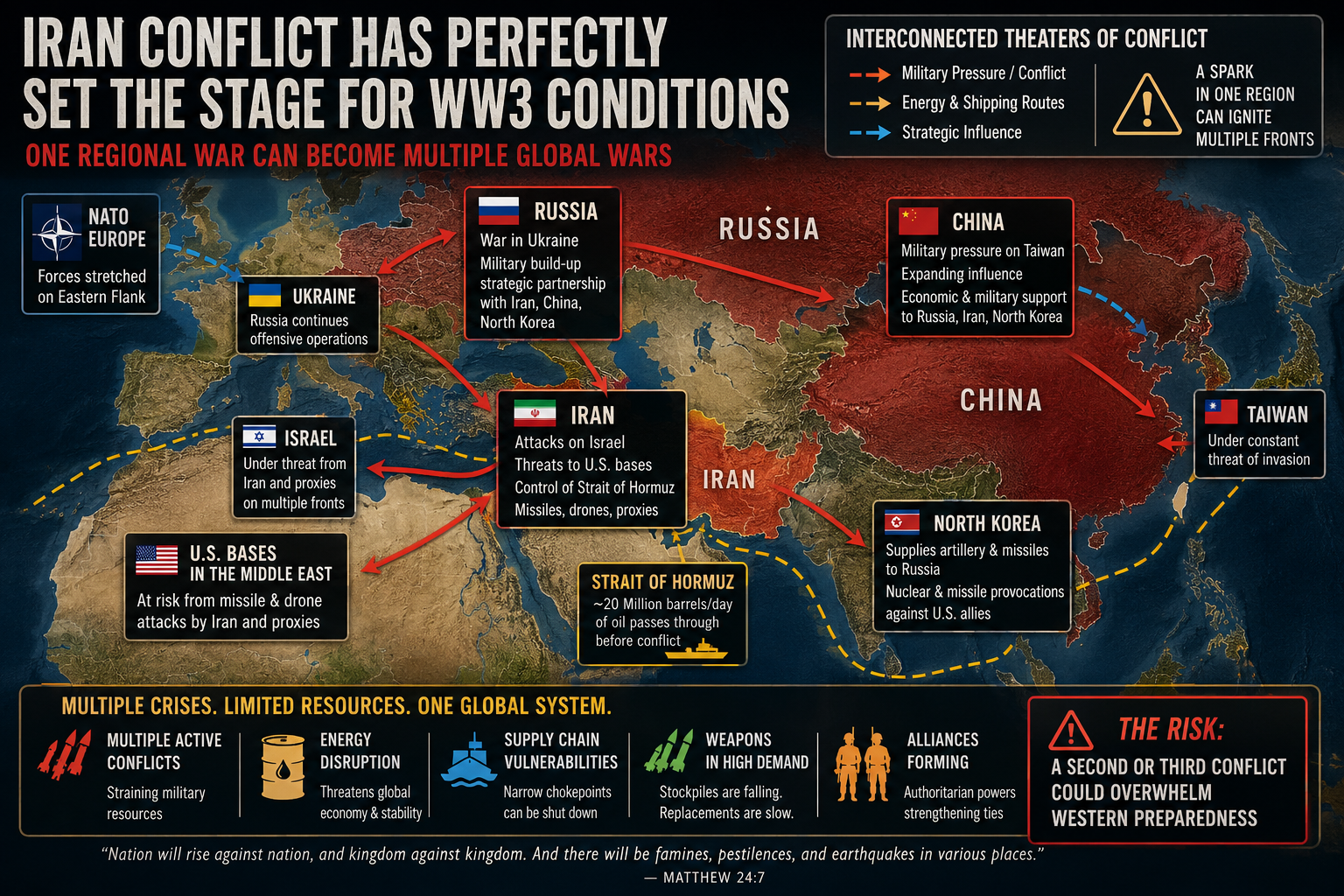
The incident is part of a larger conflict in the region, with Yemen's Houthi group, which is also backed by Iran, launching missile and drone attacks on south-western Saudi Arabia. The Houthis have also seized control of significant new territory across Yemen's south-western coast, including areas overlooking the crucial Bab al-Mandab waterway.
The price of oil has surged since the pipeline's closure, with Brent crude trading as high as $108 a barrel. Experts warn that the pipeline's closure could have a significant impact on global oil supplies, with some estimating that it could reduce oil supplies by as much as 3.6% of global demand.
Other Saudi oil infrastructure and military bases have also been targeted by the Houthis, including the King Khalid Air Base, which was damaged in a strike last week. The conflict has resulted in the internal displacement of over 100,000 people, according to the UN Refugee Agency.