What happened
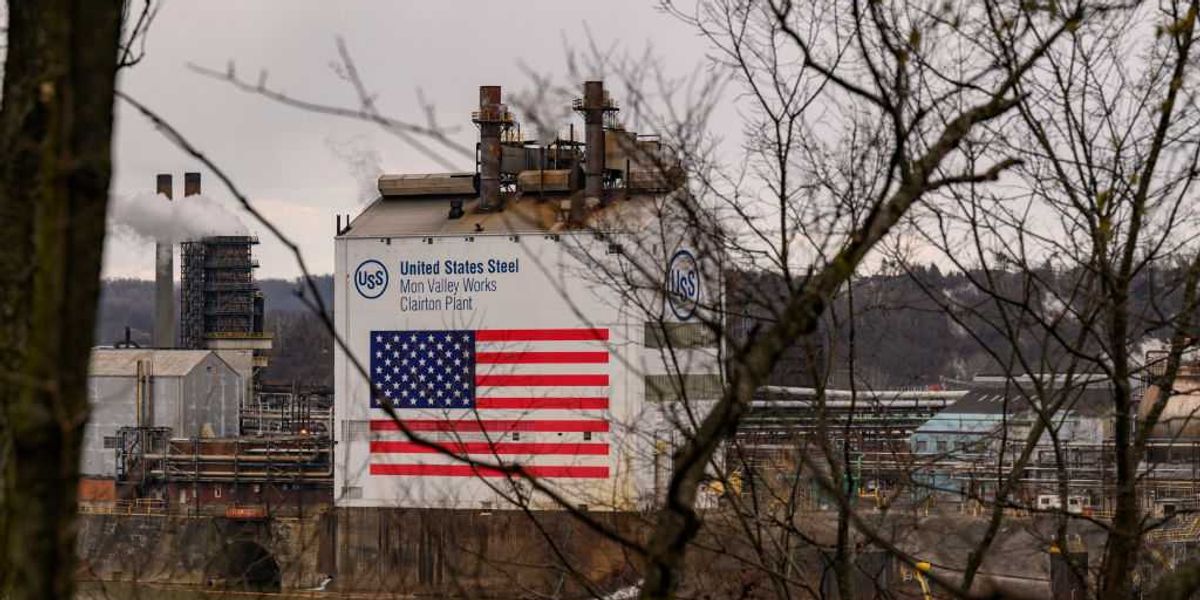
The Trump administration's tariff policies have been successful in some areas, with companies like Ford and Sapporo announcing plans to shift production to the United States. However, a loophole in the steel tariffs is driving consumers toward cheaper, foreign-made canned foods. The tariffs on tinplate steel, used to make cans for foods like soup and vegetables, are pushing retailers to import canned goods from foreign markets rather than buying from domestic producers.
The loophole allows imported canned foods to be sold at a lower price than domestically produced canned goods, despite being made with foreign-sourced ingredients. This is because the tariffs on tinplate steel apply to domestic production, making it more expensive. As a result, American farmers and food processors are losing out to foreign competitors.
The issue is not only affecting the domestic steel industry but also raising concerns about food safety. Foreign countries, such as China, have less stringent food safety regulations, which could pose a risk to American consumers. The loophole is also undermining the Trump administration's goals of supporting domestic production and creating jobs.
A possible solution to the problem is to apply the same tariffs to imported finished food cans as to imported tinplate steel. This would level the playing field and support domestic steel producers and food manufacturers. The fix is seen as relatively simple and would align with the administration's broader tariff goals.