What happened
Renewed energy market disruptions have triggered alarm bells worldwide, causing oil and gas prices to soar. In the United States, gas prices have risen rapidly, now averaging $4.37 per gallon, up from $4.07 a month ago. Brent Crude remains above $100 per barrel, at $100.33 as of Wednesday.
Experts warn of further price increases, with Tom Kloza, chief energy adviser for Gulf Oil, predicting "staggering" changes and "huge increases" in the Great Lakes and Rocky Mountain states. Diesel fuel prices have become especially volatile, with some areas experiencing drastic week-over-week jumps, such as a $0.82 increase in Fort Stewart, Georgia, and Moorhead, Minnesota.
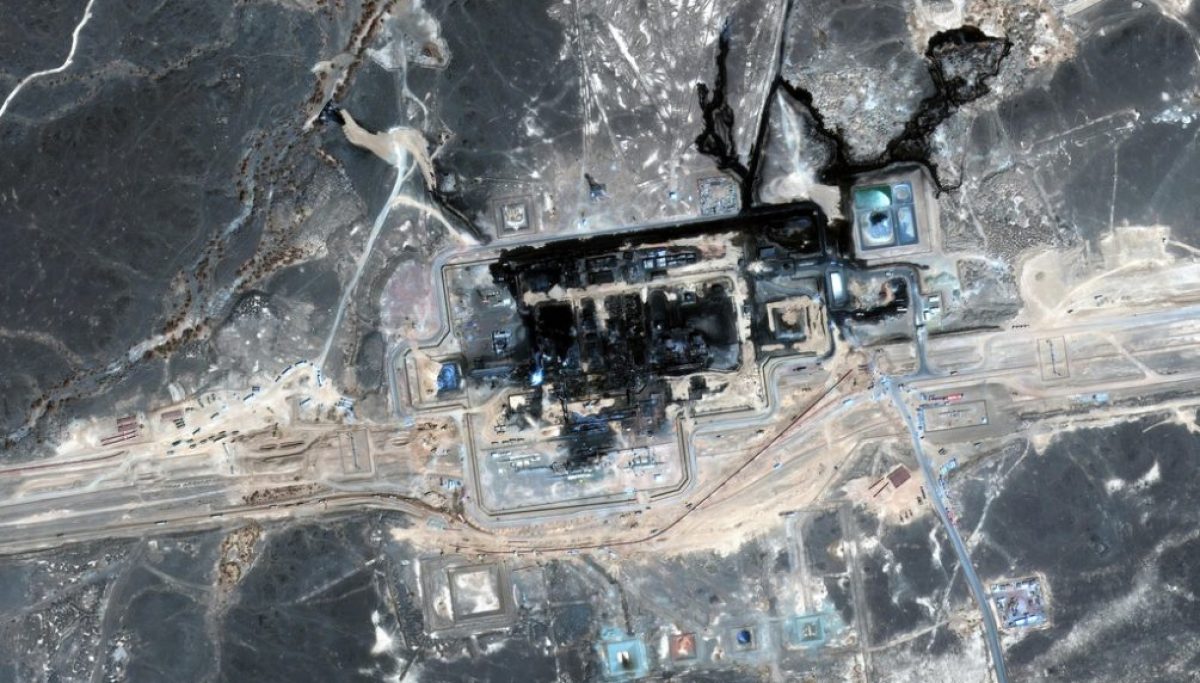
The Trump administration attributes the price surge to temporary disruptions, with Energy Secretary Chris Wright expecting the damage to the East-West pipeline to be repaired "very soon." However, other experts estimate the repairs may take up to six weeks or even months, with sources suggesting that Saudi Arabia has informed European customers that some September-loading crude cargoes will be canceled.
The global market could lose 120 million barrels of oil if the pipeline remains shut down for a month, according to Matt Smith, director of commodity research at Kpler. The damaged pipeline, accompanied by a Houthi offensive in Yemen, has raised fears of shutting down the Bab el Mandeb Strait, a critical world chokepoint.
The Trump administration has also blamed Ukraine's long-range drone campaign targeting Russian refineries for the rise in diesel prices, with Trump claiming that Ukrainian strikes have "nothing" to do with the war with Iran. However, experts like Patrick De Haan, head of petroleum analysis at GasBuddy, believe that Ukrainian strikes on Russian refineries have contributed to the global oil shock, particularly when combined with Middle East disruptions.