What happened
In Europe, a new form of censorship has emerged where public news archives are being quietly purged, and content is being completely erased from the digital sphere. This phenomenon has been observed in Poland and Hungary, where changes in political regimes have led to the removal of published works from public view.
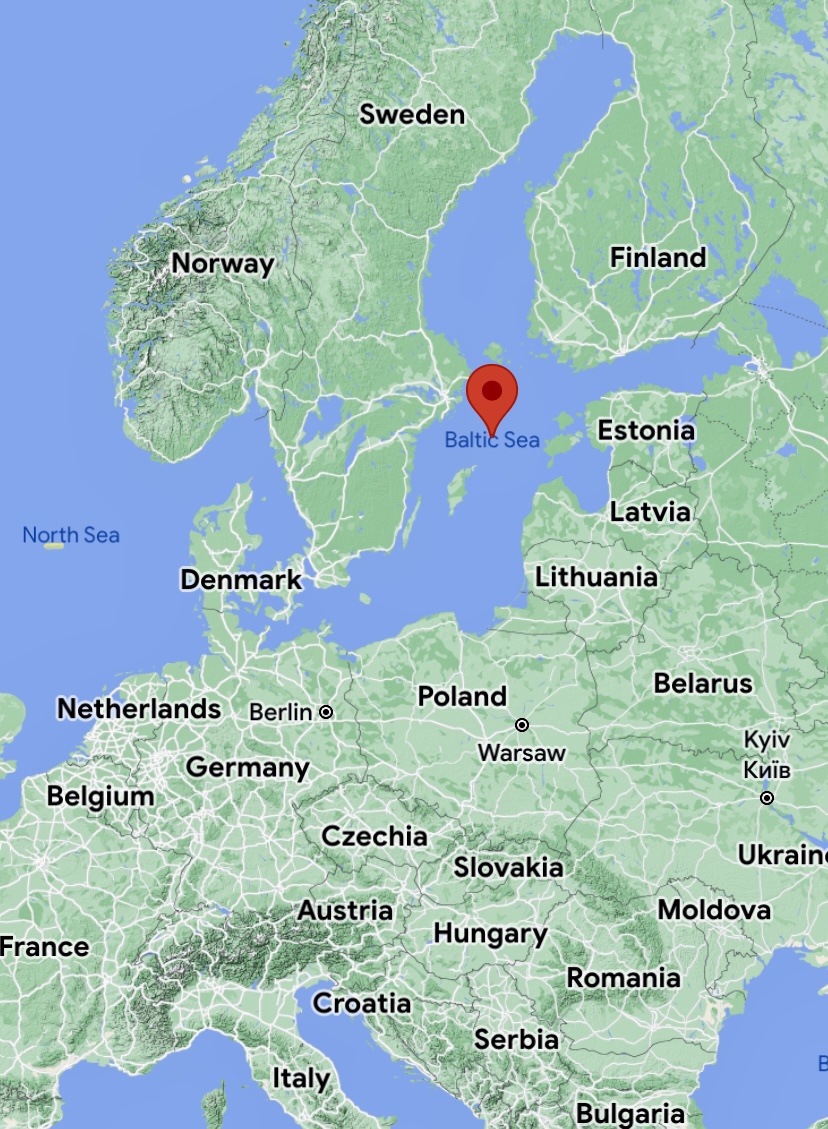
In Poland, the website of the public news channel TVP Info went dark, and its archive was reviewed for what was deemed journalistic reliability. As a result, much of the archive did not return, including material by journalists, commentators, and academics. The author of this article, a Polish essayist and commentator, had about 400 of his articles, analyses, and interviews removed from the archive.
In Hungary, the website of the European Conservative, a conservative educational institution, returned a server error after the new government dissolved the foundation that ran it. The website had published an essay by the author on the removal of religion from public life in Poland, which is now no longer accessible.
This form of censorship is distinct from the cancel culture seen in America, where individuals may lose their social media accounts or have their posts deleted. In Europe, the erasure of published works from public view has the effect of rewriting history and suppressing free speech.