What happened
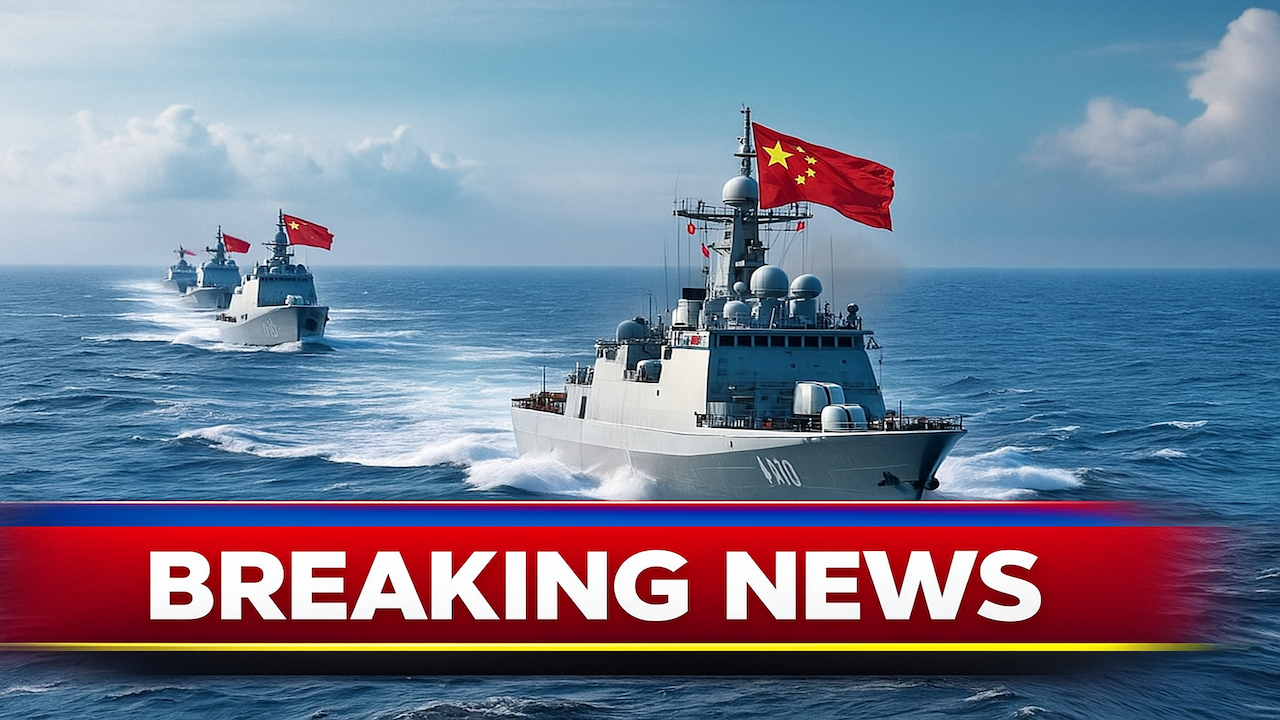
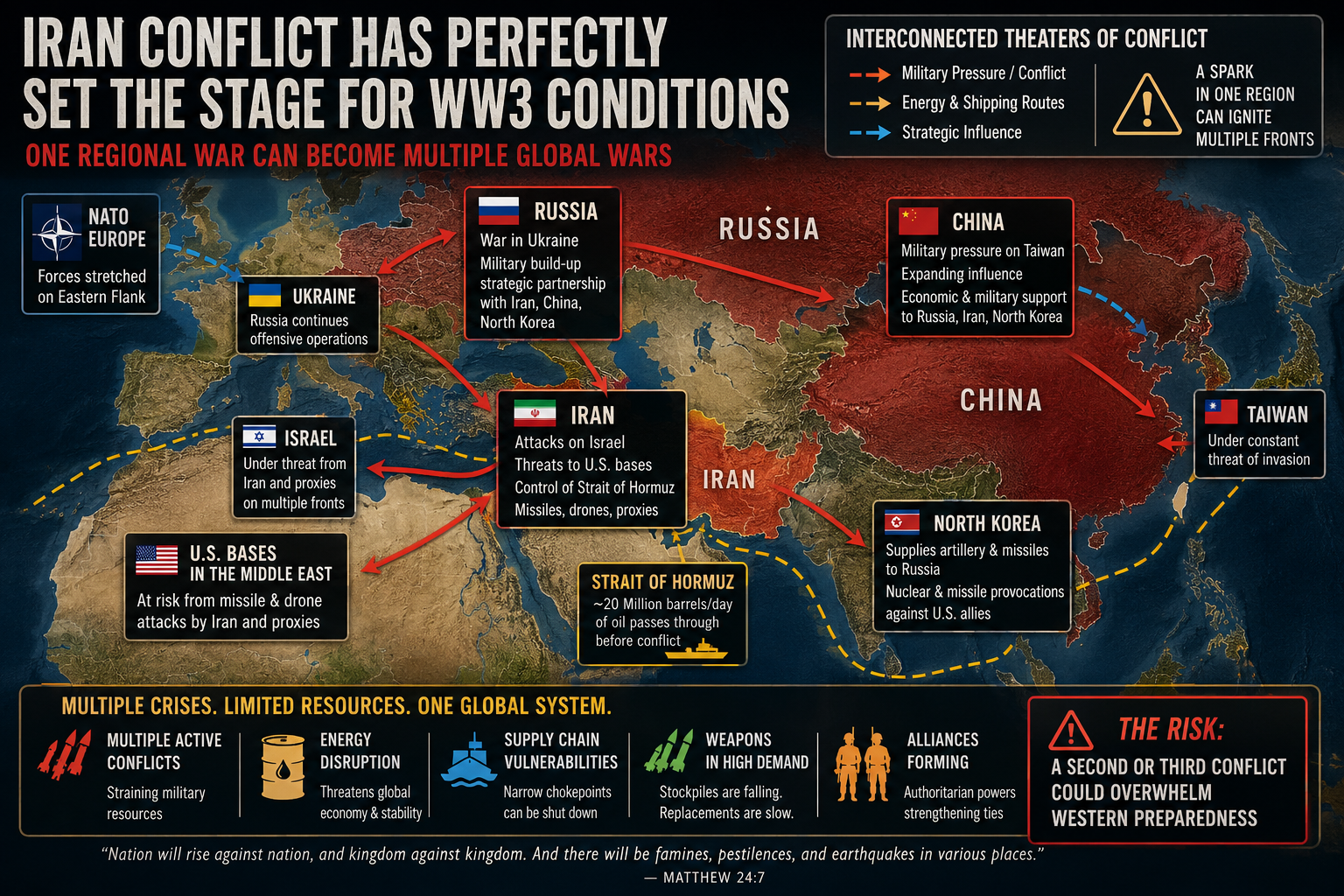
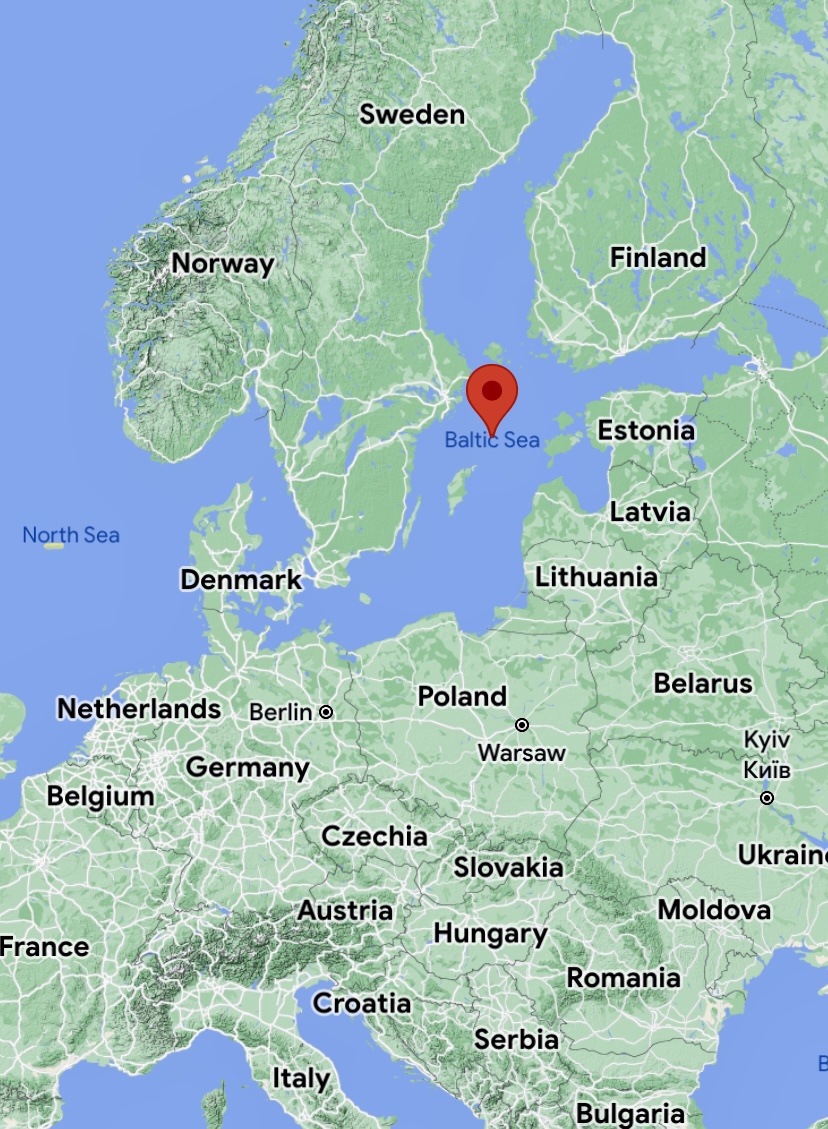
European countries are growing concerned that Russia may expand its aggression beyond Ukraine, prompting governments to prepare for potential attacks. Denmark recently accused a Russian warship of firing emergency flares at a Danish military helicopter over the Baltic Sea, while Russia is also believed to have launched a drone that was shot down by NATO fighter jets over Lithuanian airspace.
These incidents are part of a larger series of "hybrid threats" aimed at weakening the resolve of countries supporting Ukraine. Germany blamed Russia for an attempted drone attack at Leipzig/Halle Airport last month, while France has warned that the threat posed by Russia has intensified in recent weeks.
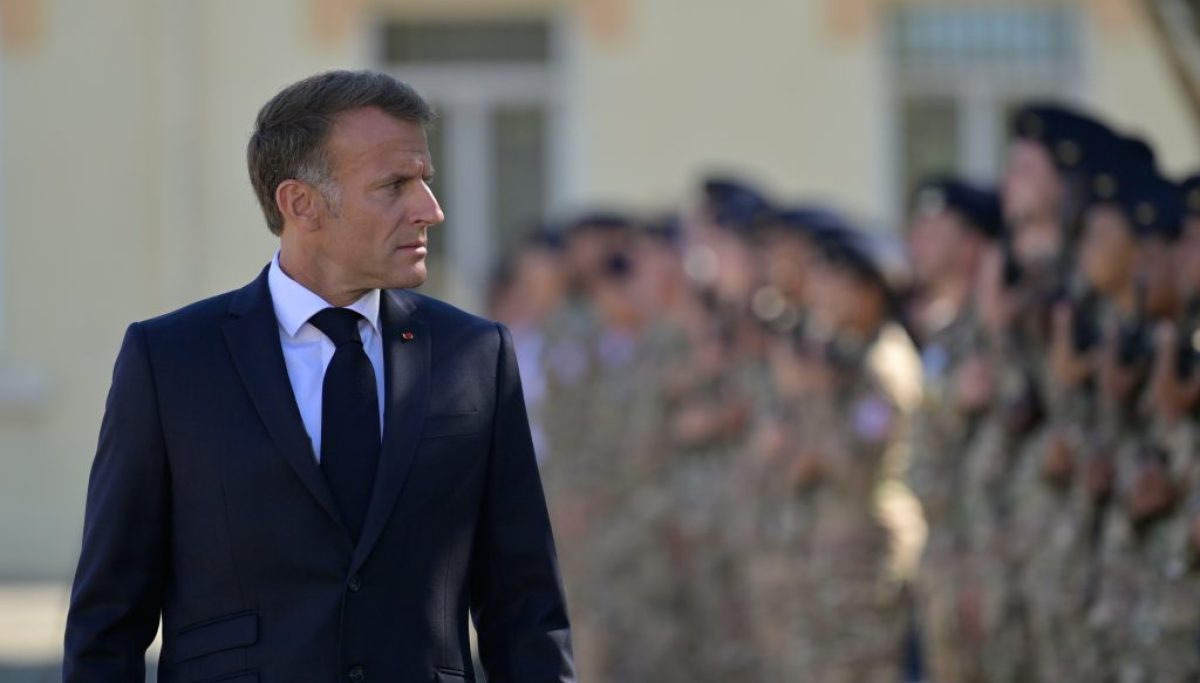
French President Emmanuel Macron has ordered his government to formulate a plan to protect critical infrastructure, including defense and technology sites. Macron also called for an emergency G7 meeting to focus on the Russia-Ukraine war and rising energy prices.
Other European countries, such as Switzerland, Sweden, and Poland, are also taking steps to strengthen their security and defense capabilities. NATO has stated that there is no imminent threat of an attack from Russia, but the alliance will remain strong and vigilant.
The United States has announced plans to establish a permanent military presence in Greenland and a U.S. Army base in Poland, which is expected to counter Russian influence in the region.