What happened
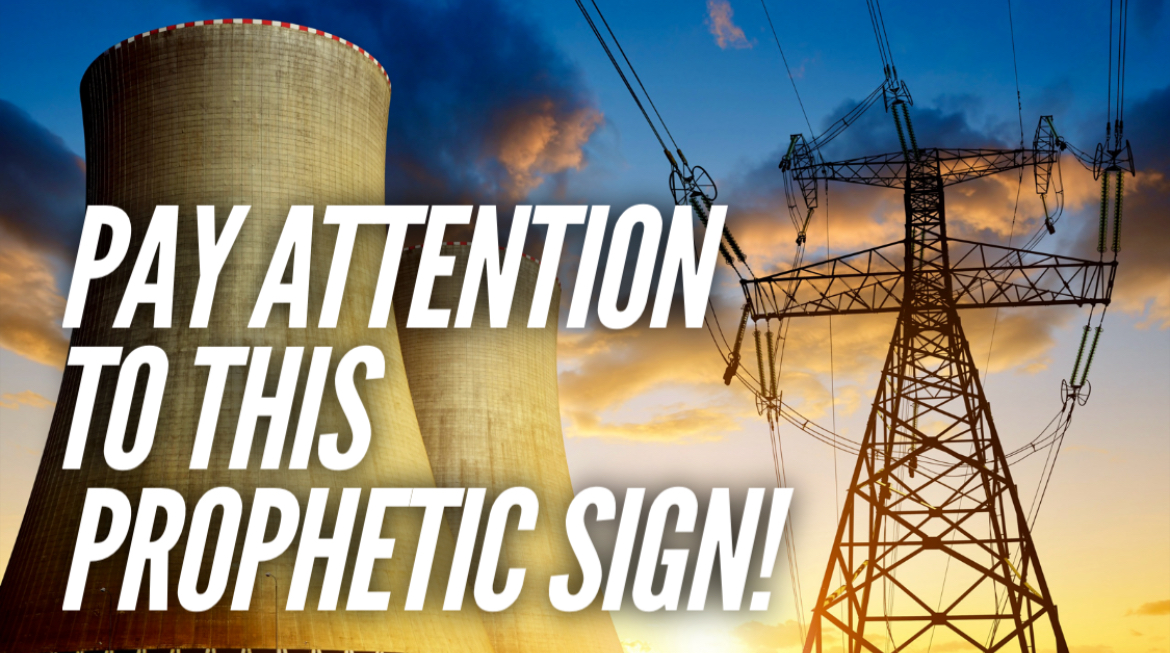
The U.S. Environmental Protection Agency (EPA) is set to repeal some carbon emission restrictions, which is expected to save hundreds of billions of dollars. The move aims to pull back restrictions for power plants and the economy. The Clean Air Act, introduced in the 1970s, initially targeted vehicle emissions but was later expanded to include a broader range of pollutants, such as carbon dioxide and methane.
The Biden administration had used the Inflation Reduction Act to impose restrictions on fossil fuels due to carbon dioxide emissions, securing $369 billion in funding to cut emissions and support clean energy initiatives. However, the EPA has now officially removed some power-plant carbon emissions restrictions and proposed repealing the others, which is expected to save Americans up to $310 billion.
The EPA estimates that the supplemental proposal would save $370 million in costs. The benefits of the repeal are threefold: energy companies will no longer have to abide by costly climate edicts, American citizens will save money on taxes, and the public will gain relief from climate change hysteria.