What happened
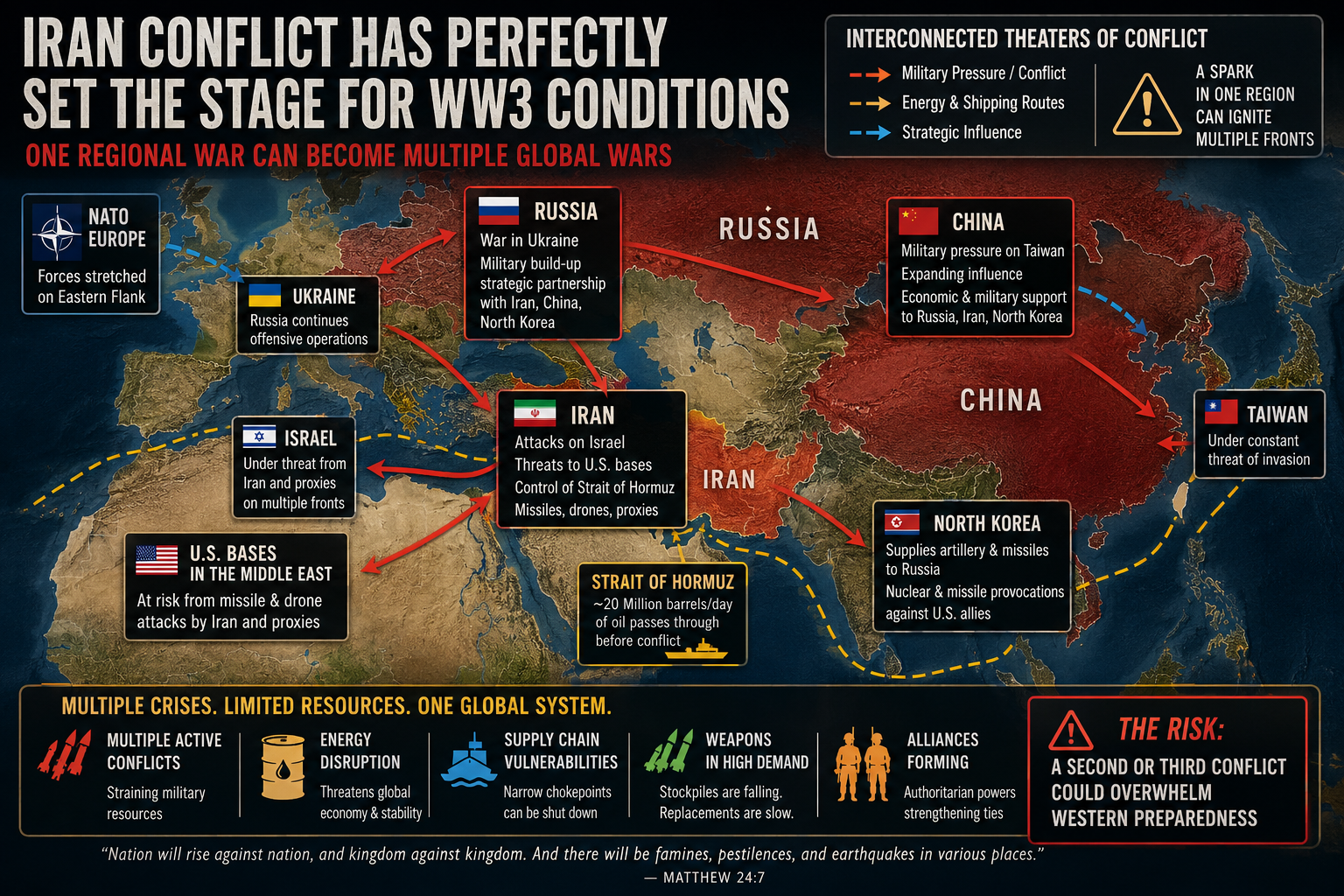
Energy flows through the Strait of Hormuz have increased, with a seven-day average of 13.5 million barrels of crude oil transiting the waterway, matching pre-war levels. This development has sparked questions about what has changed operationally and why markets are not more optimistic.
Despite the increase in energy flows, global reserves are depleted, and supply disruptions will persist due to damage to refineries, pipelines, and other infrastructure. Additionally, the lag between crude oil and its derivatives means that prices will remain elevated for some time.
There are several possible reasons for the increase in energy flows, including the degradation of Iranian capacities to constrict flows, the possibility that Iran is trying to maintain calm in anticipation of a diplomatic breakthrough, or that Iran is waiting for an opportune time to escalate.
Markets are skeptical about the sustainability of the increased energy flows, given the history of diplomatic breakthroughs and memorandums of understanding that have not led to lasting solutions. The situation remains uncertain, with multiple factors at play, including American military operations, Iranian capabilities, and diplomatic efforts.