What happened
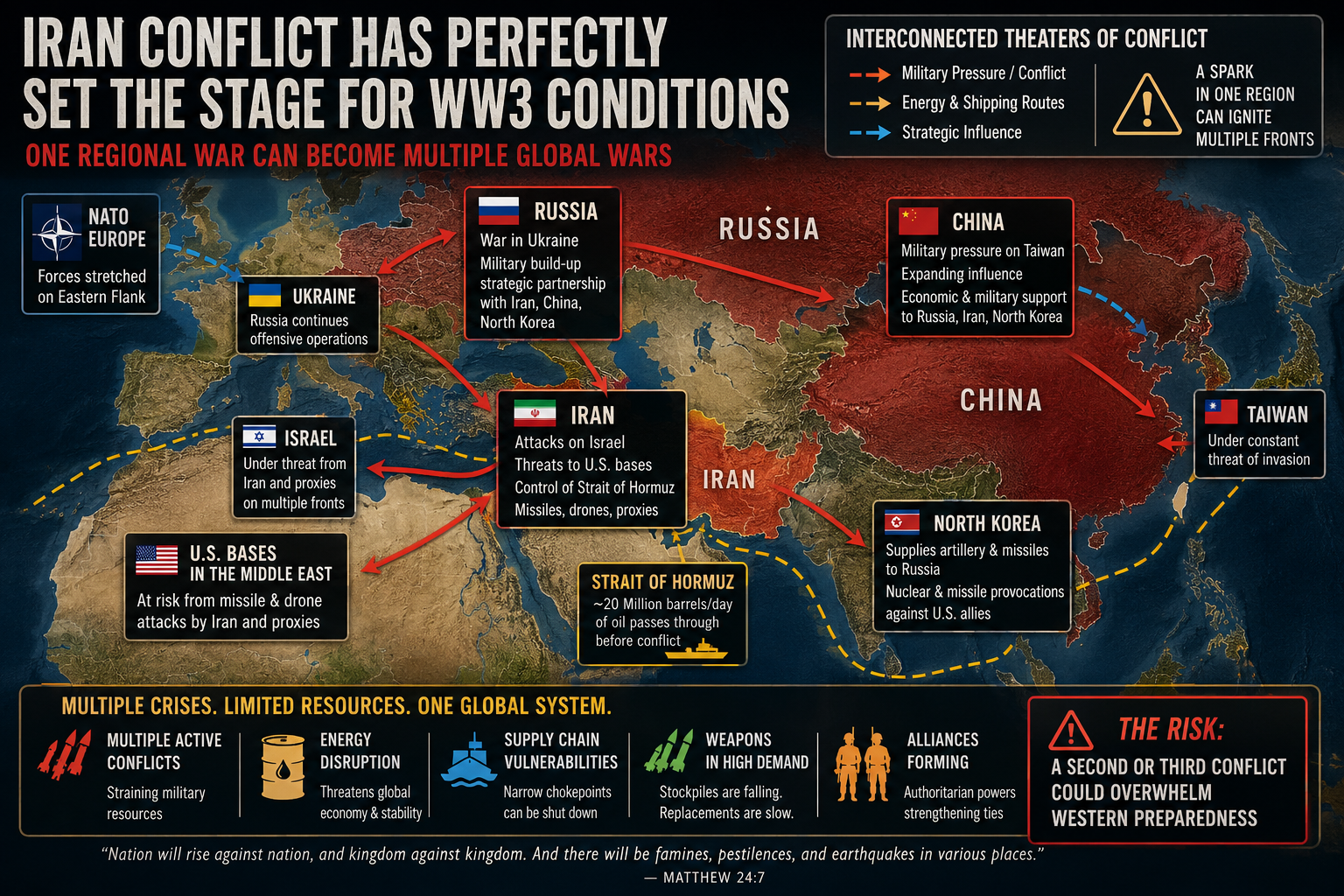
China has re-entered the global oil market, increasing its crude imports after relying on its own stockpiles for months. This move comes as disruptions in the Middle East, including the Strait of Hormuz, have led to a surge in oil prices. China, the world's largest crude importer, had previously cut its purchases, helping to cushion global markets.
According to the U.S. Energy Information Administration, Chinese crude imports averaged 8.1 million barrels per day during the second quarter, down 32% from the first quarter. However, in August, Chinese crude imports rose 6.2% to roughly 9 million barrels per day. Chinese independent refiners have also been buying barrels from alternative sources, including West Africa, Canada, and South America.
The renewed buying has contributed to the global oil market's struggles with disruptions and dwindling inventories. Brent crude rose to roughly $109 per barrel, while West Texas Intermediate climbed above $106. Energy analysts predict that oil prices will likely remain on an upward trajectory until the Middle East supply limiters are resolved.
China's refineries are now consuming crude faster than imports and domestic production can supply, leading to an estimated inventory draw of roughly 640,000 barrels per day. The country is also becoming a larger exporter of refined fuels, with oil-product exports climbing 12.7% year-over-year in August.