What happened
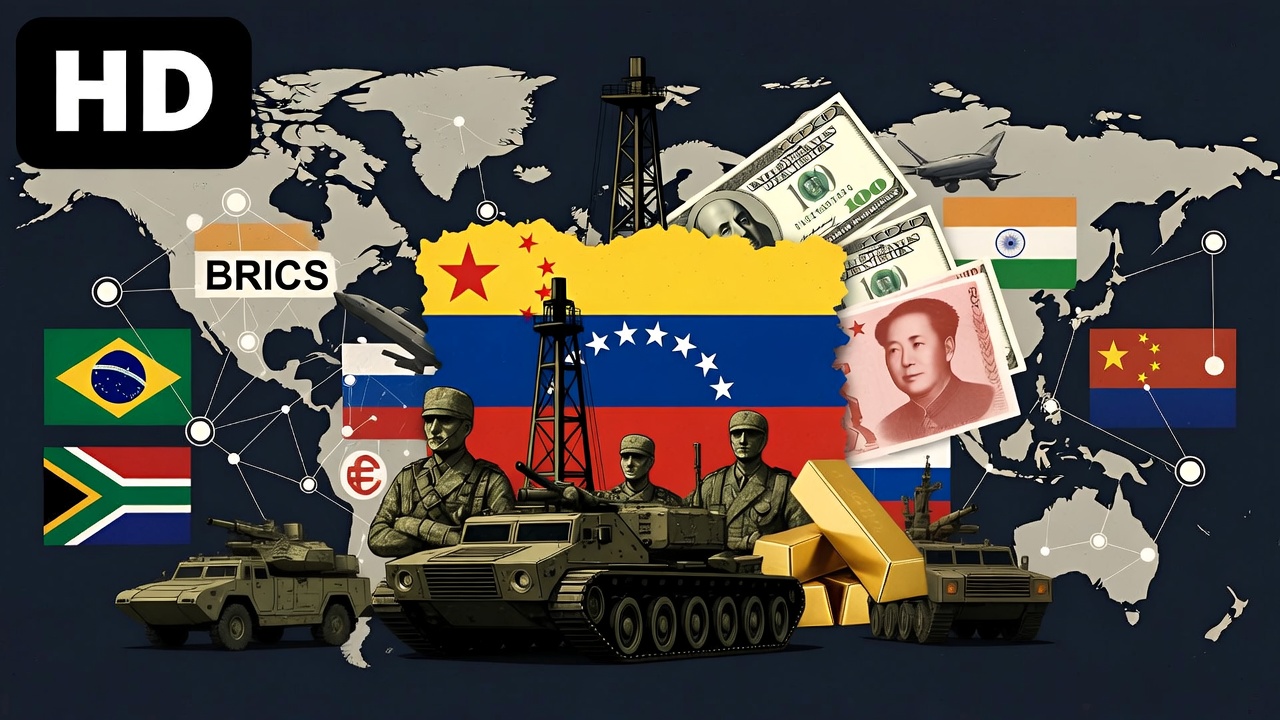
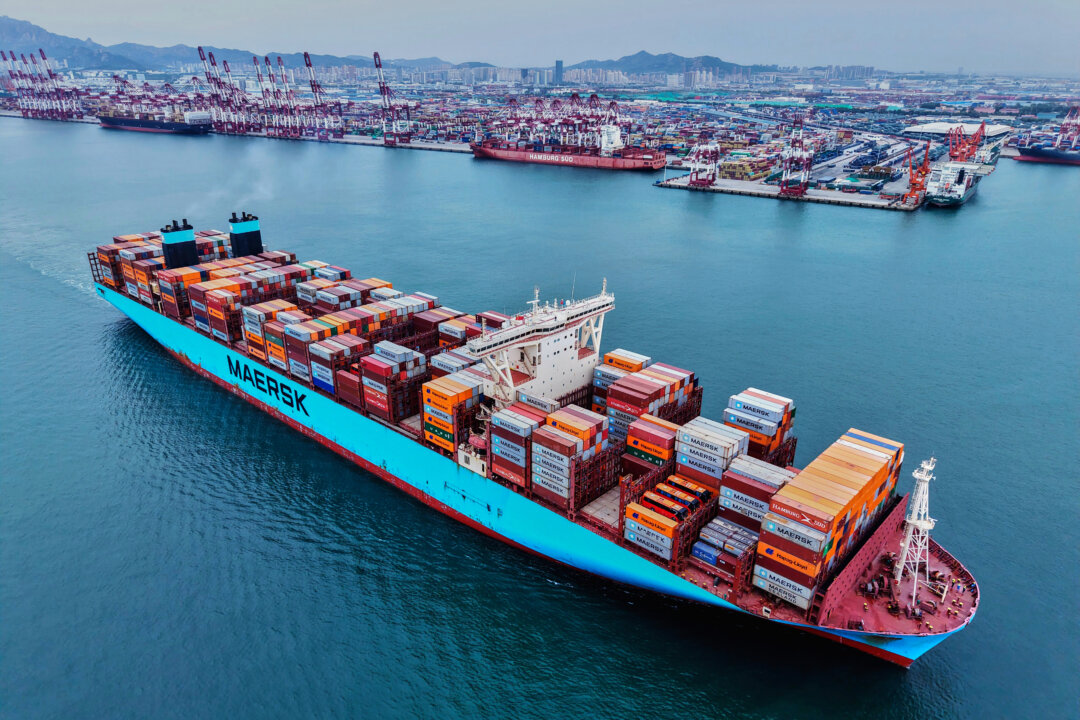
A Canadian business owner is facing a difficult situation due to conflicting laws and regulations when dealing with China. The owner's company sources a small electrical component from China, but recent sales contracts with the US government, a US corporation, and a French company require compliance with US export laws, sanctions, and EU and French legal requirements.
Upon consulting an international business lawyer, the owner discovers that the Chinese electrical component supplier is suspected of using forced labor, which is against Canadian, US, and EU laws. Additionally, a potential new customer in China is 75% controlled by a shareholder subject to economic sanctions by the US and EU, making the sale illegal.
The business owner decides to find a new supplier and cancel the sale to the Chinese company, despite increased costs and reduced sales. However, China's recent adoption of Orders 834 and 835 makes it illegal for companies to adhere to foreign laws that threaten Chinese firms, creating a Catch-22 situation.
This law allows Chinese firms to sue companies that comply with foreign laws, and the business owner may face countermeasures, be barred from entry into China, or have assets seized. The risk profile is worsening, and even though the business owner's company is too young to have acquired assets in China, they may still face consequences, such as being detained in China if they attempt to visit.